Rosedale and Ryedale: 2 areas of interesting contrast to enjoy
The Rosedale and Ryedale areas of the North York Moors are a study in contrasts: raw, tumbling moorland and green, cultivated valleys; ruined industry and lively market towns.
Rosedale and Ryedale: Where Moorland Memory Meets Market-Town Character
The Rosedale and Ryedale areas of the North York Moors are a study in contrasts: raw, tumbling moorland and green, cultivated valleys; ruined industry and lively market towns; solitude and a gentle, ingrained hospitality. Together Rosedale and Ryedale make a rural tableau that’s equal parts geology, history and everyday Yorkshire life.
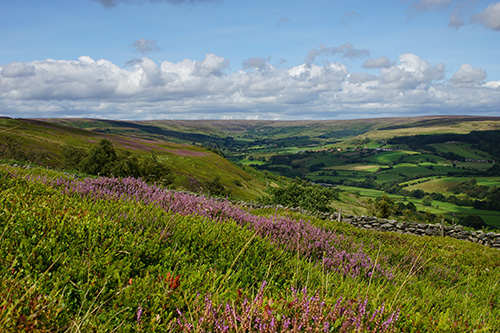
Rosedale sits like a deep, folded sleeve of valley within the northern reaches of the national park. From the lane that drops down into Rosedale Abbey — the village that lends the dale its name — the valley opens into a patchwork of fields, stone cottages and pockets of moor whose ridgelines are traced by old tracks and the echoes of industry.
Evidence of the valley’s industrial past is visible in the hulking remains of the calcining kilns and collapsed buildings that mark the slopes when the ironstone boom transformed Rosedale in the mid-1800s. The population exploded from 558 to 2,839 to over 3,000 increasing fourfold in just twenty years. Today it is hard to believe that this quiet and secluded valley was a hive of industry and now only 200 people live here.
Walkers find Rosedale generous company. The Cleveland Way runs close by, and local circular routes loop across moor and dale, offering views that feel engineered to stop you in your tracks — wind-shorn heather in August, frost-rimmed grasses in winter, a horizon that pushes far enough that the mind relaxes. There’s also a softer cultural turn: the Hanging Stones walk, an art-and-landscape project by Andy Goldsworthy, tucks unexpected installations into ten disused stone buildings across a remote route, making the landscape itself feel like a private gallery for those who make the trek. It’s a modern layering on a very old place.
Don’t Miss a visit to Gillies Jones Glass. Stephen Gillies and Kate Jones have made contemporary glass in Rosedale Abbey since 1995. Known for their skilfully engraved sculptural vessels and their finely crafted bowls, their work is in numerous museum collections including the V&A.
Ryedale, by contrast, refers to a broader patch of North Yorkshire that stretches from the low Vale of Pickering up into the moorland fringe. Ryedale’s market town all have a unique charm and attractions to visit, independent shops, seasonal markets, tearooms with old recipes, and pubs that still feel like meeting rooms for local gossip as well as memorable attractions to visit.
Helmsley’s large square is lined with shops and cafes. There are plenty of walks surrounding the town through the surrounding tracks and forests whilst attractions to enjoy including Helmsley Castle, The National Birds of Prey Centre situated in the grounds of Duncombe Park and Helmsley Walled Garden. Just outside the town is Rievaulx Abbey and towering above the ruins is Rievaulx Terrace. After your walk why not finish off the day with a visit to Ryeburn Ice Cream situated on the lane running to the main castle car park. This award-winning ice cream has twice been voted the very best in the country!
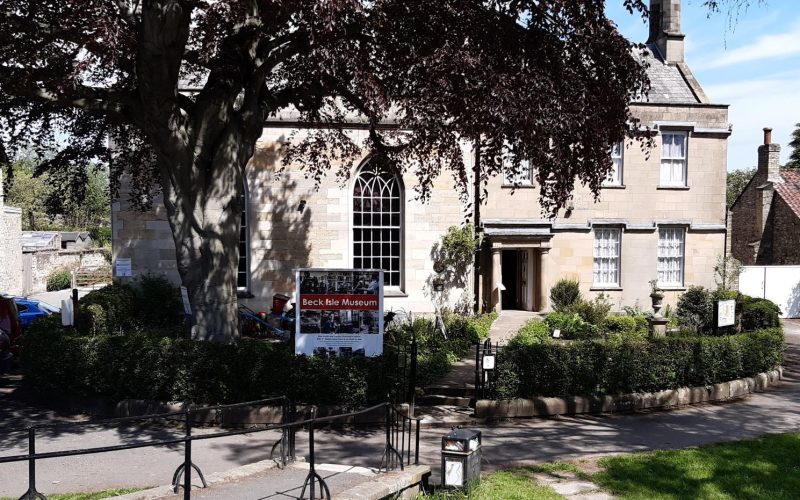
Pickering is home to the North Yorkshire Moors Railway that runs from the town, all 24 miles down the heritage line to Whitby. Another highlight of Pickering is Beck Isle Museum, a hidden gem where you can discover the lives of those who helped shape the town. Pickering is also a great base to explore the 8500 acres of nearby Dalby Forest.
Malton often affectionately crowned “Yorkshire’s Food Capital" has a growing reputation for food events and artisan producers. A must see near Malton is Eden Camp Modern History Museum, a WWII Museum set within the grounds of an original POW Camp
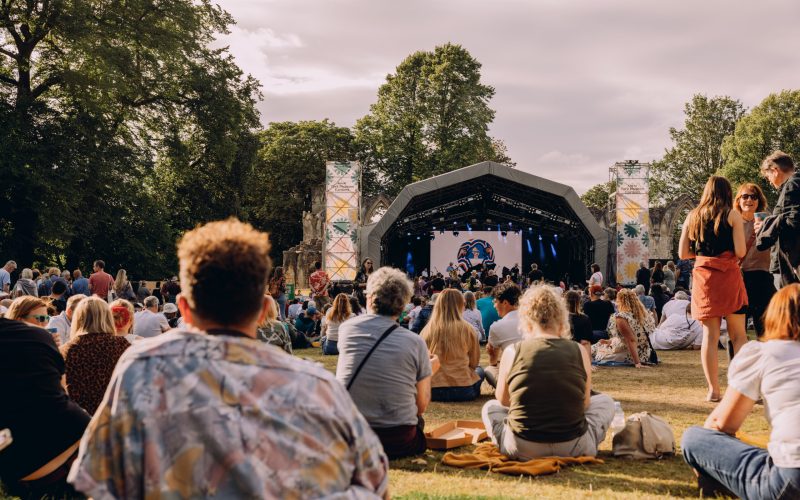
Kirkbymoorside’s small enduring charms of are often overlooked. Gateway to Farndale and famous for its daffodils that carpet the valley floor, it comes alive in spring attracting crowds. Kirkbymoorside is the location for an annual 3 day ‘Gateway to the Moors Music Festival’ with the 2026 bands playing from 31 July-2 August.
Hutton le Hole is a picturesque village and home to Ryedale Folk Museum, where you can stitch together the human stories that sit behind buildings and fields.